When Consent Isn’t Present: The Legal and Ethical Consequences of Forced and Underage Marriage
Marriage, at its core, is a powerful and personal commitment—one built on choice, respect, and mutual agreement. Whether a ceremony is religious, cultural, or civil, one principle remains constant across all forms of marriage:
Consent must be freely and fully given.
When that principle is absent—particularly in cases involving forced or underage marriage—the consequences are not only ethical, but legal.
Understanding the Issue
In some parts of the world and within certain communities, marriages may occur where one or both individuals—often young people—have not provided genuine consent. These situations are sometimes misunderstood as being rooted in religion.
It’s important to be clear:
👉 No major religion requires forced marriage.
👉 In Islamic marriage (Nikah), consent is a fundamental requirement.
The issue is not religion—it is the misuse of cultural practices or power, often combined with social pressure, lack of education, or fear of stigma.
The Legal Reality in Australia
In Australia, the law is very clear:
The legal age for marriage is 18 years
Any marriage involving a person under 18 is strictly regulated and requires court approval
Forced marriage is a criminal offence
This applies to everyone—including religious leaders.
What Happens If Someone Facilitates a Forced or Child Marriage?
If a religious officiant—whether an Imam, priest, pastor, or any other leader—knowingly conducts or facilitates a forced or underage marriage, they may face:
Criminal Charges
They can be prosecuted for:
Participating in or enabling a forced marriage
Coercion or exploitation
Penalties can include significant prison time.
Loss of Authority
If they are registered to legally perform marriages:
They can be removed from the register
Lose the right to officiate permanently
Investigations and Restrictions
Authorities may become involved, including:
Police
Child protection services
This can lead to:
Court proceedings
Restrictions on working with young people
Community Impact
Beyond legal consequences:
Loss of trust
Damage to reputation
Removal from leadership roles within their community
A Universal Standard—Not a Religious One
It’s essential to emphasise that these laws are not aimed at any one faith or culture.
They apply equally to:
Religious ceremonies
Civil ceremonies
Cultural practices
👉 The standard is simple and universal:
Marriage must involve two people who freely choose it.
The Role of a Celebrant
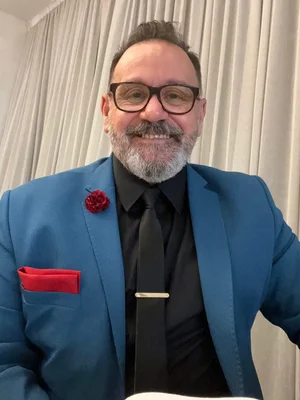
As a marriage celebrant, my role goes far beyond paperwork or ceremony delivery.
It’s about:
Ensuring both parties are willing and informed
Creating a space where people feel safe, respected, and heard
Upholding the integrity of what marriage truly represents
Because a wedding should never be about obligation—it should be about two people choosing each other, fully and freely.
Final Thought
Forced and underage marriages are not just legal issues—they are human ones.
They challenge the very foundation of what marriage is meant to be.
And that’s why the message matters:
Marriage should always be a choice—never a condition, never a pressure, and never a force.